


How Do Oxygen Generator Suppliers Ensure Stable Equipment Supply? Key Links You Need to Know
2026-10-29
×
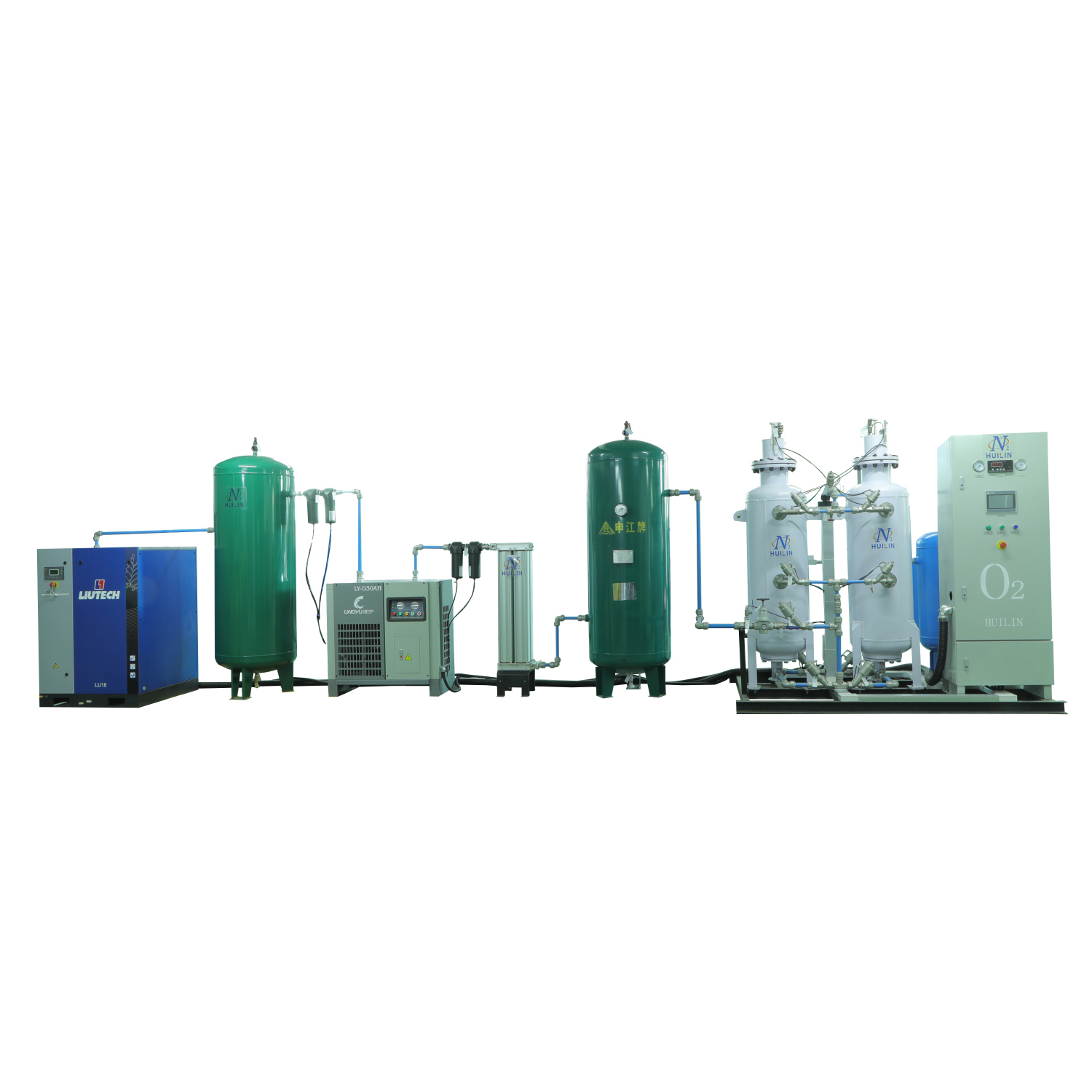
Oxygen is an essential substance for sustaining life. As vital equipment used in medical, industrial and household settings, the supply stability of oxygen generators directly determines whether user requirements can be fulfilled on time. As a core participant in the industrial chain, oxygen generator suppliers bear end‑to‑end responsibilities covering production through delivery. This article examines how high‑quality suppliers secure stable equipment supply from three dimensions: technical reserves, supply chain management and quality control, helping readers choose business partners in a well‑informed, rational manner.
Technical Reserves: Core Competitive Barriers of Oxygen Generators
Oxygen generators operate on the principle that molecular sieves adsorb nitrogen from the air to separate high‑purity oxygen. While this process appears simple, it demands extremely rigorous technical specifications. Factors including molecular sieve material, adsorption‑tower design and compressor efficiency all influence equipment oxygen‑generation efficiency, energy consumption and service life. Trustworthy suppliers typically have independent research and development capabilities, enabling them to fine‑tune technical parameters for different usage scenarios:
- Medical‑grade oxygen generators: They are required to meet the oxygen concentration standard of 93%±3% and support 24‑hour non‑stop operation. This places stringent demands on the durability of molecular sieves and the stability of compressors.
- Industrial oxygen generators: Capable of processing large‑volume air flow, they focus technically on boosting oxygen output per unit time whilst lowering energy consumption.
- Portable oxygen generators: They need to balance dimension, weight and battery endurance. The major technical difficulty lies in ensuring compliant oxygen concentration while achieving miniaturization.
Supply Chain Management: The Invisible Moat for Stable Supply
Manufacturing oxygen generators requires dozens of spare parts and components such as molecular sieves, compressors and sensors. Disruption in any supply‑chain segment may result in delayed deliveries. Quality suppliers build risk‑resistance capacity by adopting the following measures:
- Diversified supplier system: Maintain long‑term cooperative ties with multiple suppliers of core components to guard against risks brought by single‑source supply interruptions.
- Strategic inventory management: Forecast market volatility according to historical demand statistics, and pre‑stock critical components to shorten production lead‑times.
- Localized production arrangement: Construct production bases or warehousing centers in regions with heavy demand to cut logistics costs and speed up response to customers.
For instance, one supplier once suffered a molecular‑sieve shortage due to international logistics hold‑ups. By switching to its alternative domestic suppliers, the enterprise restored production in only three days and prevented breach of customer orders.
Are you considering an oxygen generator? If yes, please Contact us: Guangzhou HUILIN Air Separation Equipment Co., Ltd. We will offer you professional advice.
Related Articles:
ReviewsNumber of comments: {{ page.total }}
I want to comment?
{{item.nickname ? (item.nickname.slice(0, 2) + '*****') : item.source === 1 ? 'mall buyer' : '--'}}
{{item.comment_time}}
Review in the {{item.country}}
Reviews
Merchant
{{replyItem.nickname ? (replyItem.nickname.slice(0, 2) + '*****') : replyItem.source === 1 ? 'mall buyer' : '--'}}
{{replyItem.parent_nickname ? (replyItem.parent_nickname.slice(0, 2) + '*****') : '--'}}
{{replyItem.is_merchant_reply === 1 ? replyItem.reply_time : replyItem.comment_time}}
Review in the {{replyItem.country}}
Reviews

No customer reviews
recommended for you
Get in touch with us
HUILIN Co. is a company specializing in the production, research and development, sales and service of PSA oxygen generators and nitrogen generators. The address of HUILIN Company is located in Guangzhou, China.
Useful Links
Products
Contact Us
Tel: +86 13724819737
E-mail: huilin@world-gas.cn
Add: B101 building No160 Gandong street Donghuan Panyu District, Guangzhou, Guangdong, China