


What are the energy efficiency differences and core energy efficiency indicators of nitrogen generators? What is the impact of purity on energy consumption? Understand how to reduce the operating cost of on-site nitrogen production.
2026-10-31
Energy cost is one of the biggest long-term expenses for on-site nitrogen supply. Many purchasers only compare price and rated nitrogen output when selecting nitrogen generators, ignoring energy efficiency, which results in extra electricity costs year after year.
This FAQ guide helps you properly compare PSA, membrane separation and cryogenic nitrogen generation systems. You will learn the correct energy efficiency evaluation indicators, key factors affecting power consumption, and practical methods to ensure efficient operation of your nitrogen system.
Our engineering team can provide customized energy consumption simulation and technical proposals to help you select the most energy-saving nitrogen solution that matches your process requirements.
Q: Which process delivers better energy efficiency among PSA, membrane separation and cryogenic nitrogen generation?
A: It depends on your required nitrogen purity and flow rate. Membrane nitrogen generators are generally more energy-saving within the medium and low purity range (95%–99%). When the required purity exceeds 99.5%, PSA nitrogen generators achieve better overall energy efficiency and are widely used in laser cutting, electronics and food packaging industries. Cryogenic air separation consumes far more energy and is only suitable for extra-large working conditions with stable continuous gas demand of several thousand standard cubic meters per hour. Our PSA nitrogen equipment adopts an optimized pressure equalization cycle design to reduce compressed air loss and cut specific energy consumption for nitrogen production.
Q: What are the core reference indicators for comparing the energy efficiency of nitrogen generators?
A: Do not compare only the rated power of nitrogen generators. The core evaluation criteria are the air-to-nitrogen ratio (compressed air consumption to produce 1 Nm³ nitrogen) and specific energy consumption (kWh/Nm³ nitrogen). Higher purity requires more compressed air. Comparisons must be carried out under the same nitrogen output, purity, outlet pressure and ambient conditions. Two nitrogen generators marked with the same output may have an actual energy consumption gap of 20%–40% if their air-to-nitrogen ratios differ.
Q: Why is there a big gap in actual energy consumption between two PSA nitrogen generators with the same labeled parameters?
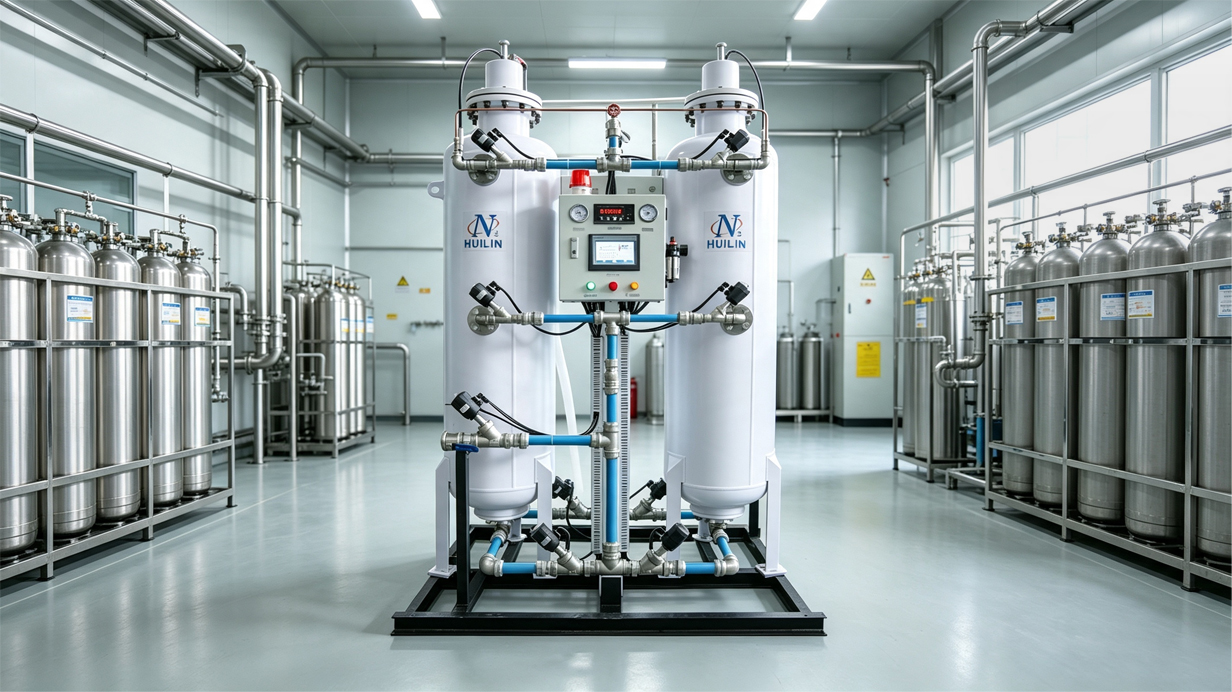
A: Many factors affect real energy efficiency: quality of carbon molecular sieve, valve switching logic, pressure equalization recovery structure, pipeline pressure drop and the performance of the front air pretreatment system. Poor pretreatment (oil, water and dust contamination) will gradually pollute the molecular sieve and increase air consumption year by year. High-end models are equipped with PLC adaptive sequence control, which automatically adjusts the adsorption cycle according to real-time gas demand to save energy under low-load conditions. HUILIN energy-saving PSA nitrogen systems support load-following regulation to avoid energy waste during low gas consumption periods.
Q: Will nitrogen purity requirements significantly affect the power consumption of on-site nitrogen generators?
A: Yes. Purity is one of the primary factors determining operating costs. Raising purity from 99.9% to 99.999% may increase compressed air consumption by 50% or more. Many customers unnecessarily select an excessively high purity during model selection and incur avoidable monthly electricity bills. We recommend matching nitrogen purity strictly to your production process. Our team can simulate energy consumption under different purity schemes to help you select the configuration with the best cost performance.
Q: What measures can we take to maintain high energy efficiency of nitrogen generators in the long run?
A:
- Maintain dryers and filters regularly to protect carbon molecular sieve;
- Check compressed air leakage in pipelines periodically;
- Avoid excessive inlet pressure and overpressure of the nitrogen storage tank;
- Calibrate purity analyzers and flow meters on schedule;
- Prioritize models with energy-saving mode and compatibility with variable frequency air compressors.
Guangzhou HUILIN Air Separation Equipment Co., Ltd. can provide complete operation and maintenance guidance. Remote monitoring function is optional to ensure the equipment maintains low energy consumption stably throughout its lifecycle.
If you need energy consumption simulation or a customized quotation for your nitrogen project, please provide the required nitrogen flow rate, purity and daily operating hours. Our engineers will design a low-energy nitrogen generation solution for you. Feel free to contact us anytime!


GET IN TOUCH WITH Us
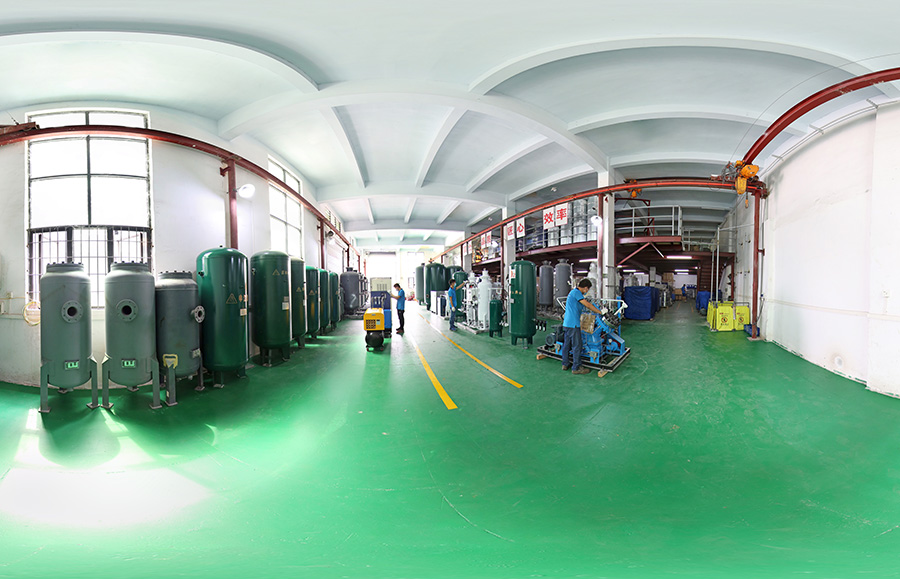
HUILIN Co. is a company specializing in the production, research and development, sales and service of PSA oxygen generators and nitrogen generators. The address of HUILIN Company is located in Guangzhou, China.
Useful Links
Products
Contact Us
Tel: +86 13724819737
E-mail: huilin@world-gas.cn
Add: B101 building No160 Gandong street Donghuan Panyu District, Guangzhou, Guangdong, China